
Home Batteries in the Netherlands: The 2026 Guide
As net metering is phased out, storing your own solar power becomes increasingly attractive. Everything about costs, payback, the best systems and subsidies — in one place.
A home battery stores the electricity your solar panels generate, so you can use it in the evening instead of feeding it back to the grid. Until now that was less rewarding in the Netherlands thanks to net metering — but that scheme is being phased out from 2027. As a result, storing and using your own power is becoming a smarter choice in 2026. This guide explains how a home battery works, what it costs, when it pays off and which systems suit your situation.
How does a home battery work?
A home battery is a rechargeable unit that stores the surplus power from your solar panels during the day. In the evening, or on cloudy days, you use that stored energy. This raises your self-consumption — the share of your own solar power you actually use yourself. Without a battery that is typically around 30%; with one it can rise to 60-70%. The less power you buy at the high grid tariff, the more you save.
Why now, in 2026?
The net-metering scheme will be phased out from 1 January 2027, and more suppliers are charging feed-in fees for households that put a lot of power onto the grid. Both trends make it more attractive to store and use your own solar energy. Combine your battery with a sharp green contract for the rest — compare options in our green electricity comparison.
What does a home battery cost?
Prices depend on capacity (in kWh) and system type. Compact plug-in batteries start around €1,500, while complete systems for an average family quickly cost €4,000 to €7,000. The payback period — depending on your usage, your contract and the net-metering phase-out — is usually between 7 and 12 years. A good first step is a plug-in home battery that connects to your existing setup without major installation work, such as the Zendure SolarFlow.
Recommended to start with
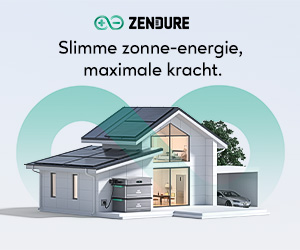
Looking for an accessible way to begin? The Zendure SolarFlow plug-in home battery connects to your existing inverter and stores your power without major installation — ideal now that net metering is being phased out.
Is there a subsidy for a home battery?
There is no national subsidy for home batteries yet, but a growing number of municipalities offer local schemes or discounts. It pays to check before you buy. See our full energy subsidies guide for all the schemes, and our solar panels guide to get the most out of your panels.
Home battery guides
- Home battery subsidy 2026: municipal grants
- Home battery without solar panels: is it worth it?
- Best home battery 2026: systems compared
- Buying a home battery: costs & payback time
Duurzamer Leven helps households in the Netherlands — including internationals and expats — navigate the switch to clean energy. Some links are affiliate links: if you buy through us we may receive a small commission, at no extra cost to you.